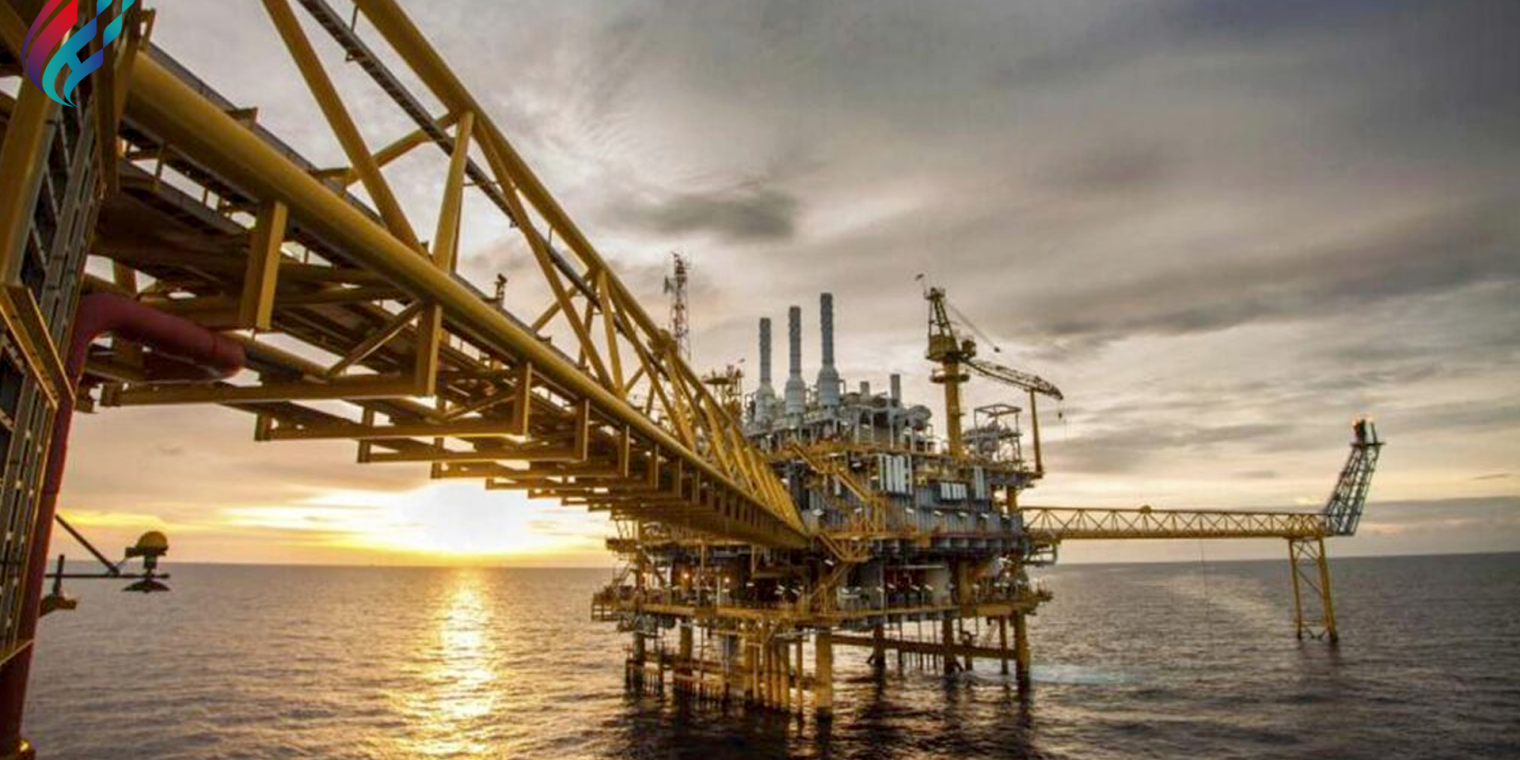
In the vast operation stages of oil and gas extraction, the upstream petroleum industry plays a fundamental role, as it encompasses the exploration, development and extraction of hydrocarbons from under the earth’s floor. The upstream petroleum sector involves companies whose expertise is in the initial stages of the oil and gas production process, searching for vital resources and reservoirs, and utilizing complex techniques to extract these valuable materials from their valuable resources.
Upstream petroleum industry
The upstream sector is one of the most important parts of global energy markets and economy which is primarily due to its inherent risks and technical difficulties. The more you learn about this industry, the more you see that upstream operations are greatly important and their role is like the main piece that keeps the whole process of extracting oil moving. The upstream sector helps to create new ideas, affects countries’ relationships with one another, and impacts the environment. In this article, we seek to provide comprehensive reasons for the significance of the upstream petroleum industry to get a better picture of why upstream petroleum work matters so much in today’s world of energy.
What about midstream and downstream?
The upstream sector is all about exploration and production and after this phase comes the midstream sector. The midstream sector gathers the raw resources – e.g. crude oil – and transports them via pipeline, tanker truck, or even railways to the downstream sector. In other words, midstream’s focus is on the storage and transportation of oil and gas. Once oil and gas are delivered to the downstream sector, processes involving converting oil and gas into finished products start. Gasoline, liquid gas, diesel, and other forms of energy that we, everyday users, utilize every day are the direct products of the downstream sector.
Exploration and Production Techniques
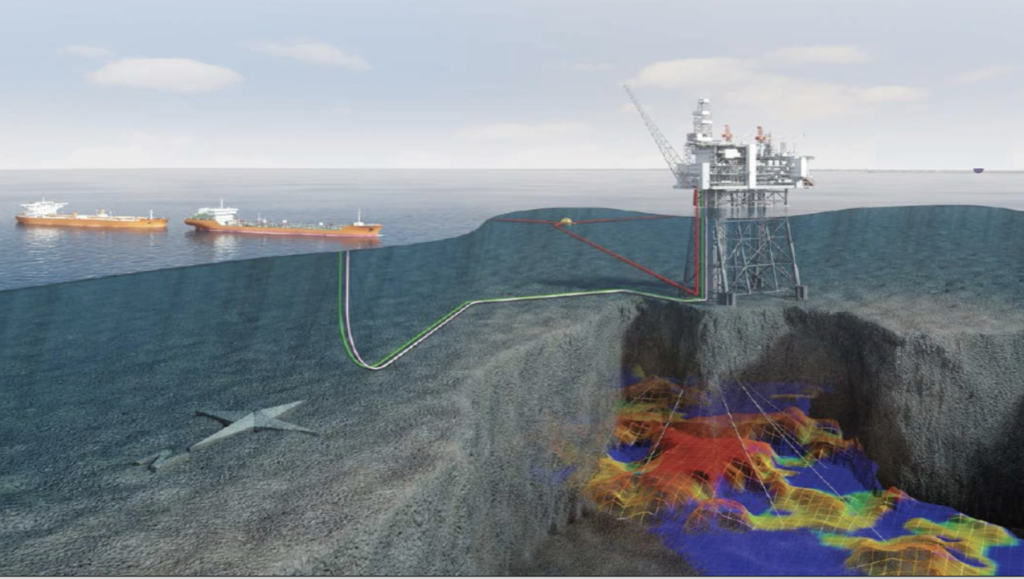
Exploration and Production Techniques in the upstream petroleum industry are all about complex processes through which oil and gas are identified, accessed, and extracted from their underground resources. Different companies in this sector use different methods to find where the reservoirs of oil and gas under the ground might be; these methods include various methods such as seismic surveys, geological studies, and drilling tests. These techniques are fundamental to the industry’s success and require a lot of innovation, technology, and expertise. Once a good site is identified, production techniques start to be used. This phase includes complicated engineering interference, including drilling wells, implementing extraction methods such as hydraulic fracturing, and system injection, and managing reservoir pressure to optimize the production. Over time, these methods have significantly evolved because of advancements in technology and industry practices. Even these days, exploration and production methods continue to improve due to new challenges and opportunities, as the whole nature of the upstream petroleum sector is dynamic!
Global Distribution: Mapping Key Regions and Players
Global distribution in the upstream petroleum industry means identifying the key regions for extracting gas and oil and finding the major players involved in the production and extraction of oil and gas. These regions are of significant importance as they are the main sources of energy for countries all over the world. Major players in the upstream sectors include both national companies and multinational companies each of which have different strategies and interests and work in various regions worldwide. Countries like Russia, the United States, Canada, and Saudi Arabia are top producers of oil and gas, while some other countries like Venezuela and Iran also benefit from significant reserves. Some regions including the Middle East, North America, and the Asia-Pacific are important hubs for oil and gas production as they have abundant resources and favorable geological conditions. Understanding the global distribution of the upstream petroleum industry is necessary due to its assistance in analyzing market trends, geopolitical dynamics, and strategic investments in the energy sector.
Environmental Impacts: Balancing Resource Extraction with Sustainability
Environmental impacts in the upstream petroleum industry are a big concern because extracting oil and gas can harm the environment. Companies have to balance getting these resources with making sure they are doing it in a sustainable way. Being sustainable means trying not to hurt the environment too much in the long run. When drilling for oil and gas, there is a risk of spills, which can pollute water and land, harming wildlife and ecosystems. Also, burning oil and gas releases greenhouse gases, which results in climate change in the long term. To address these issues, companies use technology and follow regulations to reduce their environmental footprint. They might use methods like reusing water, using cleaner energy sources, or restoring land after drilling. Balancing resource extraction with sustainability is crucial for protecting the environment while still meeting energy needs.
Technological Innovations: Driving Efficiency and Resilience
Technological innovations in the upstream petroleum industry are constantly improving efficiency and resilience. These advancements are crucial for companies in exploration and extraction, as they help streamline processes and aim at reducing risks. One significant innovation is the development of advanced seismic imaging techniques that allow companies to create detailed maps of underground geological formations. This helps find potential oil and gas reserves more accurately, and as a result, reduces the need for costly and time-consuming drilling. Additionally, improvements in drilling technology, such as horizontal drilling and hydraulic fracturing, have enabled access to reserves that were inaccessible in the past and increased extraction rates.
Moreover, advancements in data analytics and automation are changing operations and allow for real-time monitoring and decision-making, enhancing safety and productivity. These technological innovations not only drive efficiency but also increase the industry’s resilience by improving sustainability practices, reducing environmental impacts, and adapting to changing market conditions. However, it is not the end and the technology continues to play a pivotal role in shaping the future of the upstream petroleum industry, driving progress towards more sustainable and resilient energy production.
Regulatory Framework: Navigating Challenges and Future Directions
The regulatory framework governing the upstream petroleum industry plays a crucial role in navigating challenges and shaping future directions. These regulations are designed to ensure safety, environmental protection, and fair activities within the industry. They cover different aspects of exploration, production, and distribution. They do that by imposing standards and requirements that companies must follow. For example, regulations may dictate safety protocols for drilling operations, environmental impact assessments for exploration activities, and licensing procedures for oil and gas extraction. Besides, regulations often address issues such as taxation, royalties, and land rights, which can have significant implications for industry operations and profitability.
Navigating these regulatory requirements can be complex and challenging for companies, and requires extensive compliance efforts and ongoing engagement with regulatory bodies. Moreover, the regulatory landscape is constantly evolving, with new laws, policies, and enforcement mechanisms emerging in response to changing societal expectations, technological advancements, and environmental concerns. As the industry moves forward, future directions in regulatory frameworks may prioritize sustainability, transparency, and accountability, reflecting broader social goals and aspirations for a more responsible and equitable energy sector. Overall, understanding and effectively navigating the regulatory framework is essential for the upstream petroleum industry to address challenges, foster innovation, and achieve long-term success in a rapidly changing global landscape.
In HESCo Group, we try to facilitate the way for companies active in the upstream petroleum industry that not only want perfection but also want it on time! With over 3500 projects worldwide, our reliability and credit are known to companies in this sector. If you have any questions regarding our group, its expertise, and its commitment, do not hesitate to contact us!