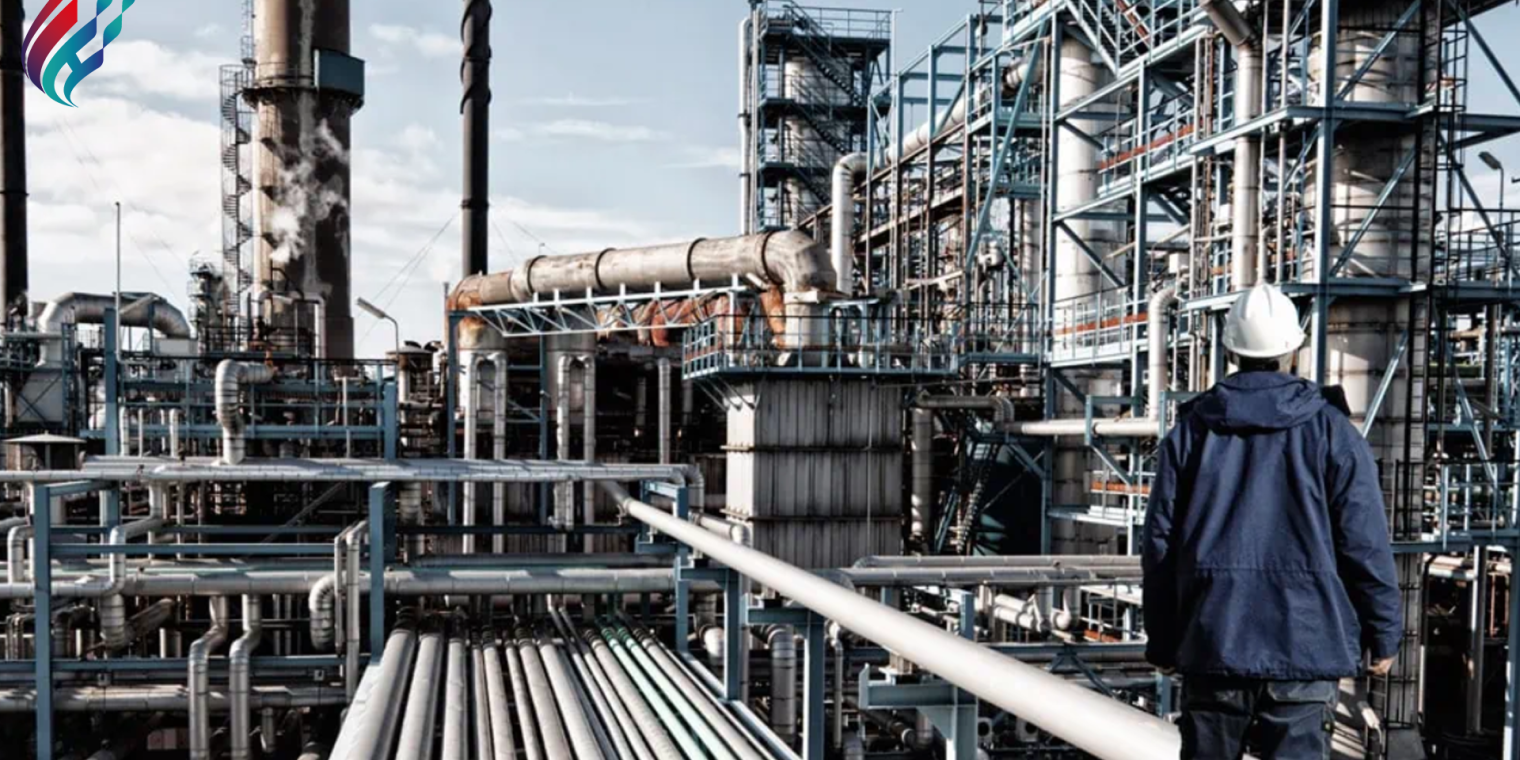
What are the main challenges in oil and gas industry? It is readily apparent that an industry as big as oil and gas faces many challenges. This huge industry which is a critical sector of the global economy, faces a rapidly changing world of multiple challenges and also opportunities in terms of economic, technological, and environmental factors. Trying to identify these industry challenges in order to have an effective risk management plan in place to address these issues can help minimize exposures and keep any oil and gas company ahead of market changes.
Challenges in oil and gas industry
In this article, we try to expand and elaborate on different challenges and their aspects. The challenges discussed here are market volatility, technology adoption, environmental concerns, workforce challenges, infrastructure constraints, and financial pressures.
Market volatility
As a significant challenge for the oil and gas industry, market volatility impacts both companies’ financial performances and their decisions regarding investment. Fluctuations in oil prices are not unknown to anyone. These fluctuations are influenced by many factors such as supply-demand dynamics, and economic conditions.
Having said that, the oil and gas industry is greatly vulnerable to market volatility. The uncertainty of oil prices, which is inevitable, can disrupt production planning and economic forecasts. This, in the long run, leads to financial instability and increased risk. Besides, these fluctuations in the oil price can discourage investors from investing in long-term projects, and infrastructure developments. All this can reduce the pace of growing opportunities and innovation.
To address these financial challenges in oil and gas industry, companies must adapt their strategies and plans to manage the risks associated with price fluctuations. Here the importance of risk management strategies should be taken into account. Insurers and risk management professionals collaborate with oil and gas companies to develop comprehensive plans to reduce the risks as much as possible. These plans can include insurance coverage, financial hedging strategies, and supply chain resilience measures.
Technology adoption
Technology is an integral part of the oil and gas industry as it is with new technologies that companies can improve operational efficiency, reduce costs, and enhance safety. However, new technologies present several challenges. One of the key challenges in oil and gas industry is how to integrate new technologies and devices into existing infrastructure. Due to the unique systems of the oil and gas industry, it is very difficult to implement innovative solutions effectively. Moreover, the adoption of new technology requires great investments in research and development, not to mention workforce training and upskilling initiatives. All of these should be guaranteed, to ensure successful implementation and adoption across the organization. Besides, the importance of risk management strategies in technology adoption should not be neglected. Oil and gas companies must have exact measurements of the potential risks and vulnerabilities associated with new technologies. These risks include system failures, data breaches, and operational disruptions. All these are the reasons for implementing proactive measures to mitigate these risks.
Environmental concerns
Since the appearance of the oil and gas industry, environmental concerns have existed regarding this industry; however, with the rise of awareness, in the modern world. It has become even more significant. Different steps in the oil and gas industry such as extraction, processing, and consumption of fossil fuels have significant environmental impacts. As a result, more and more stakeholders, including governments, regulatory bodies, investors, and the public call for environmentally friendly practices within the industry more and more every day.
One of the key challenges regarding the environment posed by the oil and gas industry is climate change. The main cause of climate change is greenhouse gas emissions from fossil fuel combustion. That is why the oil and gas industry is under pressure globally to reduce its carbon footprint and try to mitigate the impacts of climate change.
In addition to climate change, there are other important environmental effects associated with the oil and gas industry such as air and water pollution, habitat destruction, and biodiversity loss. Due to all these harms aimed at the environment by the industry, companies should prevent and mitigate environmental incidents, and comply with stringent environmental regulations.
Workforce challenges
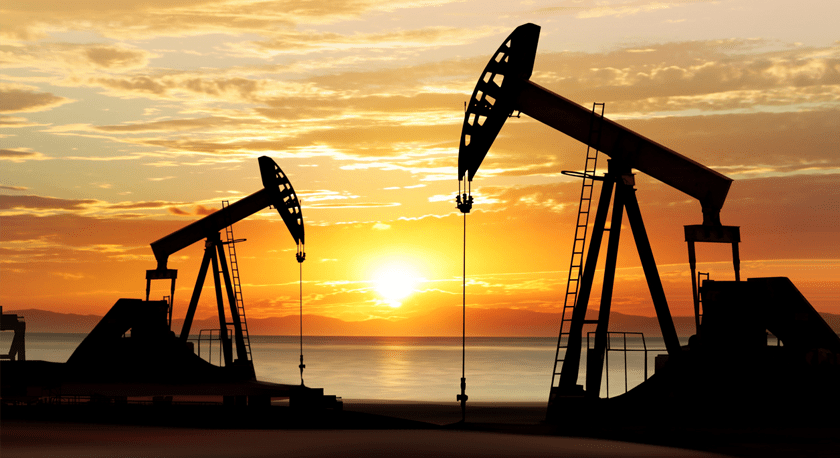
Workforce challenges in oil and gas industry are a significant concern for the oil and gas industry. In order for the oil and gas industry to continue working, a skilled and specialized workforce is needed to operate and maintain its infrastructure. However, this faces several challenges including demographic shifts, skills shortages, and the aging workforce. According to many sources, the aging workforce is the key concern in the oil and gas industry, as many experienced professional workers are getting near retirement age, which leads to a potential shortage of skilled workers.
Another challenge regarding the workforce is the rapid technological advancements and changes in operational practices. These advances require workers to learn new skills in order to meet the evolving demands of the industry. To address this issue, companies must invest in training programs, education partnerships, and talent development initiatives to attract and retain top talent.
Last but not least, the challenges of attracting young talent to the oil and gas industry should not be ignored. These days, the oil and gas industry may be perceived as less attractive compared to other sectors such as technology or renewable energy. Rebranding the industry becomes significant to attract more young people, promoting opportunities for career growth and innovation. The safety of the employees, also, should be prioritized by implementing rigorous safety protocols and providing adequate training and resources to ensure a safe working environment and prevent workplace injuries and accidents.
Infrastructure constraints
Infrastructure constraints affect the oil and gas industry’s ability to efficiently transport, process, and distribute resources. These constraints cover various aspects of the industry’s physical infrastructure, including pipelines, refineries, storage facilities, and transportation networks.
Infrastructure constraints pose problems globally, particularly in regions with inadequate transportation networks and outdated facilities. Aging infrastructure poses risks of operational disruptions, maintenance issues, and safety hazards, requiring investments in modernization and maintenance to ensure reliability and efficiency.
Moreover, developing new infrastructure projects, such as pipelines, terminals, and liquefied natural gas (LNG) facilities, can enhance the industry’s capacity to access new markets. However, regulatory hurdles, environmental concerns, and community opposition can delay infrastructure projects, requiring effective risk management strategies.
Additionally, the challenges of accessing and developing resources in remote or challenging environments, such as offshore fields or unconventional reservoirs should also be taken into account. Limited access to infrastructure, harsh operating conditions, and logistical constraints can increase project costs, complexity, and risks, requiring innovative solutions and technologies to overcome these challenges.
Furthermore, the importance of risk management in addressing infrastructure constraints should be highlighted. Companies must assess the risks associated with their infrastructure assets, such as natural disasters, cyber threats, and supply chain disruptions, and implement measures to mitigate these risks effectively. This may include investing in resilience planning, redundant systems, and business continuity strategies to ensure the continuity of operations and minimize the impact of infrastructure failures.
Financial pressures
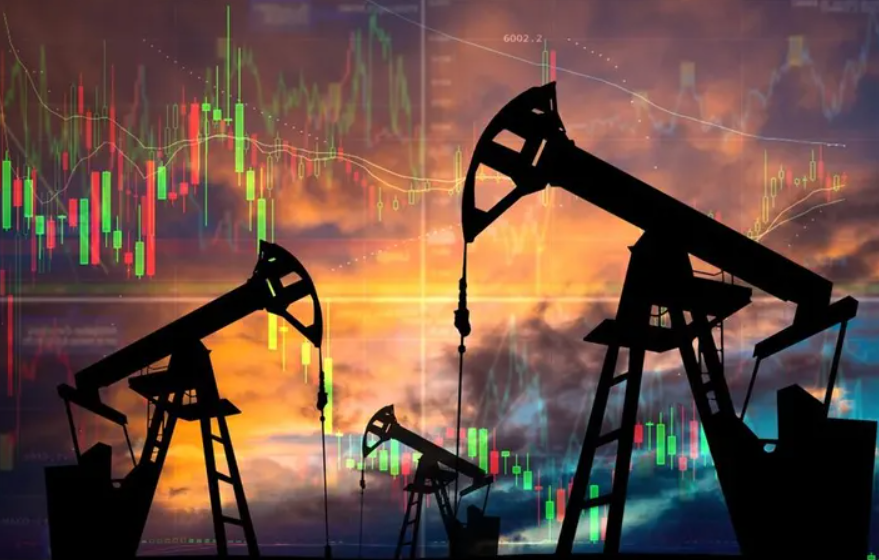
Financial pressures in the oil and gas industry are driven by factors like market volatility, rising capital costs, and project delays. Financial pressures may impact profitability and overall financial stability. Market volatility, as was mentioned, creates uncertainty in cash flows and investment decisions due to fluctuating oil prices. Rising capital costs and delays strain companies’ financial resources and erode shareholder value. To mitigate these pressures, the importance of cost control measures is inevitable, such as optimizing operating expenses. Moreover, the need for innovative financing solutions like private equity and project financing is significant. Overall, addressing financial pressures requires proactive strategies to manage market risks, control costs, and explore alternative funding sources for long-term sustainability.
Having mentioned all these challenges, the role of a professional company in this sector is highlighted. We, at HESCo Group, try to facilitate the way for companies active in the oil and gas industry to overcome these challenges. With over 3500 projects worldwide, our reliability and credit are branded to companies in this sector. If you have any questions regarding our group, its expertise, and its commitment, do not hesitate to contact us!